
This piece continues an ongoing Space City Node conversation about Houston’s evolving festival culture. If you want to trace the arc, you can start with Music Festivals in Houston (2022), followed by Music Festivals Are So Back (2023). This is the next checkpoint.
Houston’s live music scene is thriving, but not in the way outsiders expect, and definitely not in the way corporate festival playbooks would prefer.
It’s been a minute since I last weighed in on what’s happening across the city’s music ecosystem, so this is an observational check-in from slightly outside the pit. I’ve spent time with my ear to the ground, listening for what’s next. And like the OGs who still swear the Westheimer Block Party was that era, I’ve got my own receipts: being there for Day for Night 2015, or catching Desert Hearts on the docks of the old post office building, long before it was rebranded into POST Houston.
Those moments mattered. They felt local, intentional, and risky in the best way.
Over the past decade, especially the last five years, Houston has undergone a noticeable Austin-ification. You can see it in the branding, the sponsorships, the copy-paste festival formats. Outside investment flooded in, and with it came some undeniable highs. But it also brought a creeping identity crisis. When culture becomes an asset class, authenticity is usually the first thing cut from the budget.
Houston learned that lesson the hard way. The fallout from Astroworld Festival didn’t just change the conversation around large-scale festivals, it froze momentum citywide. Risk-aversion replaced experimentation. Suddenly, the idea of Houston as a major festival city felt… stalled.
But here’s the part people outside the city miss: Houston doesn’t die. It recalibrates.
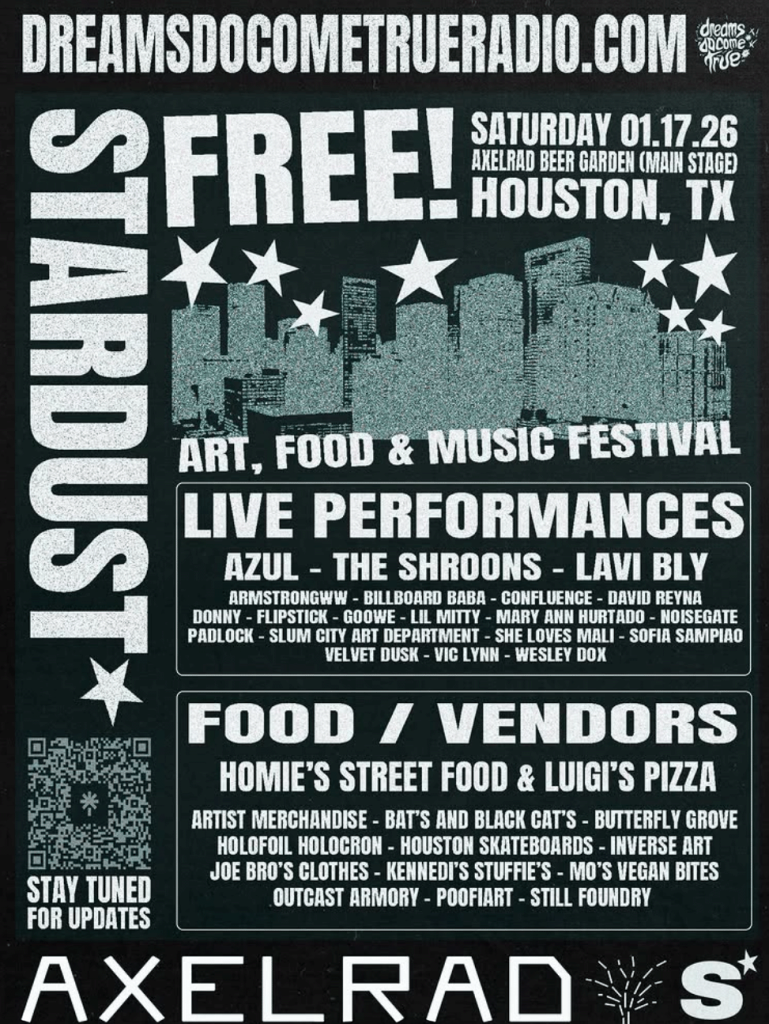
What’s happening now is quieter, smaller, and far more interesting. Instead of chasing mega-festival status, the city is seeing a resurgence of independent music festivals that actually make sense for Houston. Events like Stardust Music Festival at Axelrad, and the upcoming Spring Stock at Saint Arnold Brewing Company, feel less like investor decks and more like community-driven experiments.
That distinction matters.
These festivals aren’t trying to be ACL South or Coachella Lite. They’re rooted in place, scale, and intention. And as long as they resist the gravitational pull of corporate consolidation, they have a real shot at shaping Houston’s next era of live music culture.
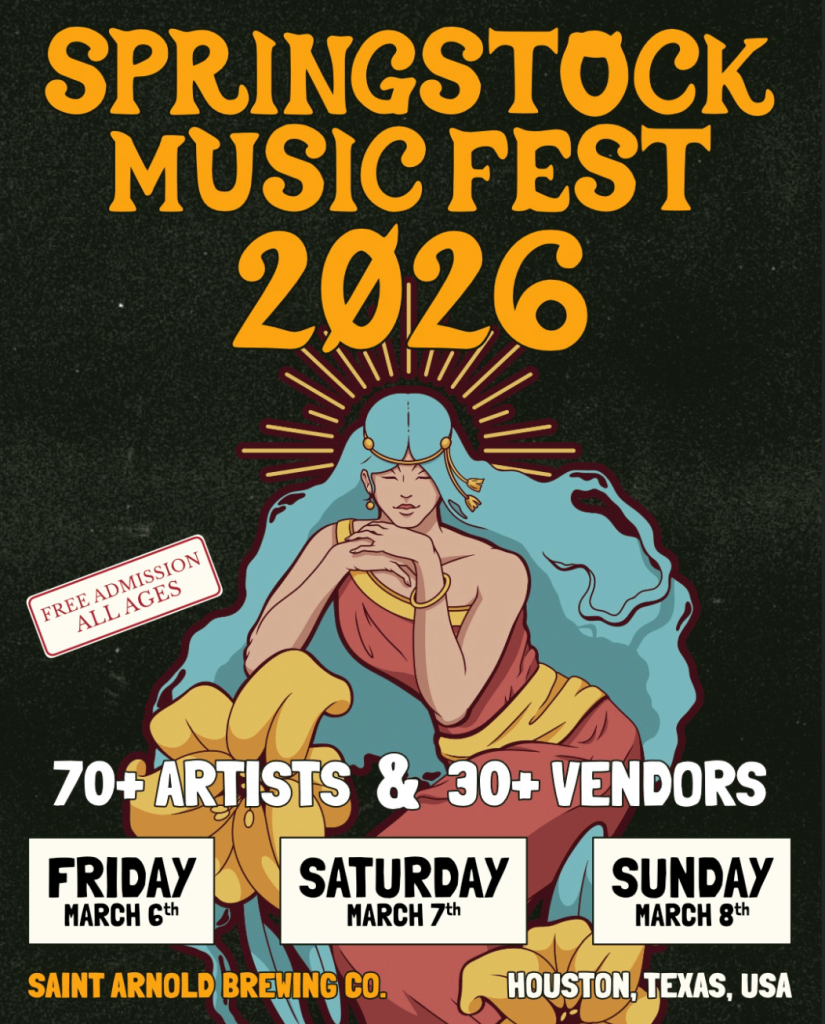
Because let’s be honest: corporate festival ownership doesn’t improve experiences, it standardizes them. Lineups get safer. Ticket prices climb. Weirdness disappears. The soul gets “optimized” right out of the event.
Every creative eventually faces this crossroads:
Stay independent and protect the culture, or cash out and let something meaningful get slowly hollowed out.
For now, I’m choosing cautious optimism. Houston’s music festival scene is finding a way forward, not by copying Austin, but by embracing its own messy, genre-blending, community-first energy. This article only scratches one narrow slice of the city’s soundscape. There are plenty of other scenes, genres, and festivals worth discussing.
But that’s another argument for another day.